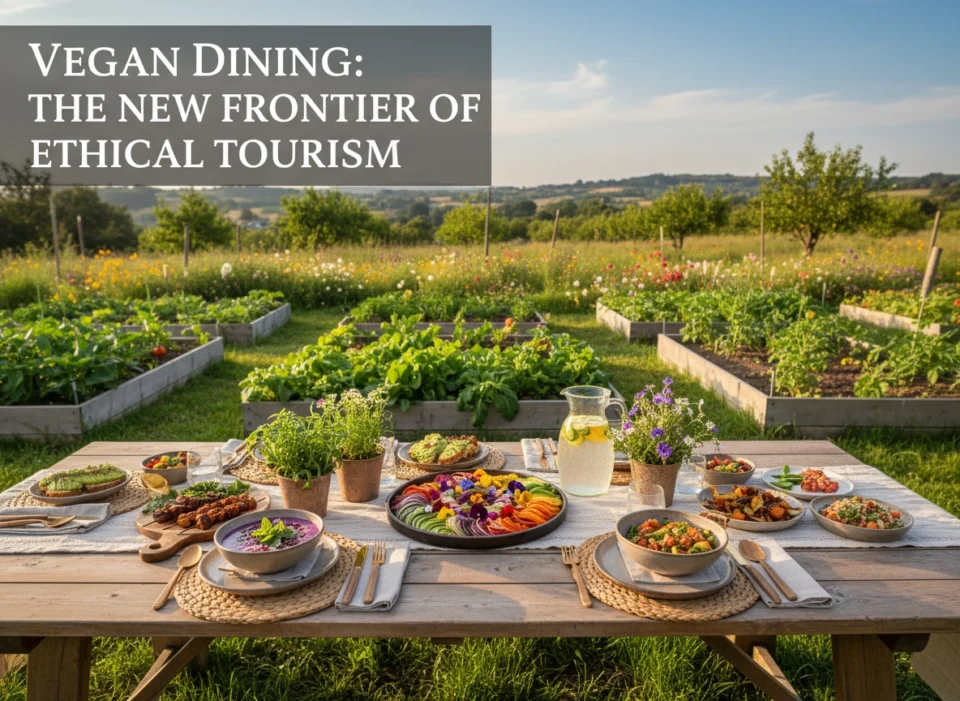
Travel offers a chance to explore new cultures, landscapes, and cuisines. For a growing number of people, it is also an opportunity to make a positive impact. Ethical tourism, which prioritizes respect for local communities, environments, and economies, is transforming how we see the world. At the heart of this movement is a simple yet powerful choice: where we eat. Vegan restaurants are emerging as key players in promoting ethical travel, offering more than just a meal, but an entire philosophy that aligns with conscious consumerism.
These establishments are becoming destinations in their own right, shaping travel itineraries and influencing local economies. They provide a clear pathway for tourists to support sustainable practices, animal welfare, and community development. By choosing plant-based dining, travelers are not just satisfying their hunger; they are casting a vote for a more compassionate and responsible form of tourism. This article explores the vital role vegan restaurants play in shaping the future of ethical travel.
Aligning with the Core Principles of Ethical Tourism
Ethical tourism is built on the idea of minimizing negative impacts and maximizing positive ones. It encourages travelers to be mindful of their choices, from the transportation they use to the souvenirs they buy. Vegan restaurants fit perfectly within this framework, addressing several key pillars of ethical conduct.
Environmental Stewardship
The environmental argument for a plant-based diet is compelling. Animal agriculture is a leading contributor to greenhouse gas emissions, deforestation, and water consumption. A single beef burger can require hundreds of gallons of water to produce, a stark contrast to the resources needed for plant-based alternatives.
Vegan restaurants inherently operate with a smaller environmental footprint. By sourcing plant-based ingredients, they reduce the demand for resource-intensive animal products. Many also go a step further by implementing practices like composting, reducing food waste, and sourcing from local, organic farms to minimize transportation emissions. For the ethical tourist, dining at a vegan establishment is a direct way to support a business model that is kinder to the planet.
Animal Welfare
A core tenet of veganism is the rejection of animal cruelty. The industrial farming system often involves practices that cause immense suffering to animals. By offering menus completely free of animal products, vegan restaurants provide a clear, cruelty-free choice for diners.
This aligns powerfully with the ethical tourist’s desire to do no harm. Travelers are increasingly aware of and opposed to exploitative animal tourism, such as elephant riding or photo opportunities with captive wildlife. Extending this compassion to their dining choices is a natural progression. Vegan restaurants guarantee that a traveler’s spending does not support industries that exploit animals, making them a cornerstone of a truly compassionate journey.
Social and Economic Responsibility
Ethical tourism also emphasizes supporting local communities. Vegan restaurants often excel in this area by building strong relationships with local farmers and suppliers. By sourcing produce from nearby farms, they inject money directly into the local economy, helping small-scale agricultural businesses thrive. This creates a resilient and sustainable food system that benefits both the restaurant and the community.
Furthermore, these establishments often become community hubs, hosting events, workshops, and markets that celebrate local culture. They create jobs and provide a space for like-minded individuals to connect, fostering a sense of community that enriches the travel experience.
More Than a Meal: Vegan Restaurants as Tourist Attractions
In many cities around the world, vegan restaurants have transcended their role as mere eateries to become celebrated tourist attractions. Their innovative cuisine and commitment to ethical principles draw in visitors from all walks of life, not just vegans. These establishments prove that plant-based food can be exciting, delicious, and culturally significant.
Global Examples of Vegan Destinations
- Farmacy, London: Located in Notting Hill, Farmacy is famous for its “farm-to-table” concept and stylish interior. It grows many of its ingredients on its own biodynamic farm, offering a menu that is both healthy and indulgent. Tourists flock here not just for the food but for the experience of dining in a place so deeply committed to sustainable and holistic principles.
- Shizen Vegan Sushi Bar & Izakaya, San Francisco: This restaurant has gained international acclaim for its inventive plant-based sushi. By recreating traditional Japanese flavors and textures using vegetables and starches, Shizen offers a unique culinary experience that challenges perceptions of what sushi can be. It consistently has long wait times, filled with both locals and tourists eager to try its renowned rolls.
- Smith & Daughters, Melbourne: This establishment broke the mold for vegan dining in Australia with its bold, rock-and-roll atmosphere and Latin-inspired menu. It became a must-visit spot in Melbourne’s vibrant food scene, proving that vegan food could be anything but bland. Its popularity demonstrated a significant market for high-end, plant-based experiences.
These examples highlight a growing trend: culinary tourism is no longer limited to traditional, meat-centric dishes. Vegan restaurants are now a significant part of the gastronomic landscape, offering unique and memorable experiences that define a trip.
The Cultural and Community Benefits of Vegan Dining
Vegan restaurants do more than just serve food; they contribute to the cultural fabric of a destination. They often become centers for education and advocacy, promoting a lifestyle that is both healthy and compassionate.
Reimagining Traditional Cuisine
One of the most exciting aspects of the global vegan movement is how chefs are reinterpreting traditional dishes without animal products. In places like Italy, chefs are creating plant-based versions of classic pasta dishes. In Mexico, they are crafting tacos and tamales using innovative vegetable and mushroom fillings.
This process does not erase culture; it enriches it. It shows that culinary traditions can evolve to meet modern ethical standards while retaining their authentic spirit. For tourists, this offers a fascinating way to engage with a local culture through a new, compassionate lens. It allows them to enjoy the flavors of a region without compromising their values.
Fostering Inclusive Communities
Vegan restaurants are inherently inclusive spaces. They welcome people from all dietary backgrounds, offering a safe and reliable option for vegans, vegetarians, and those with allergies or dietary restrictions. This inclusivity creates a welcoming atmosphere that enhances the travel experience.
They also often serve as community hubs, connecting travelers with locals who share similar values. This can lead to more meaningful interactions and a deeper understanding of the destination. By dining at a local vegan spot, a tourist might discover a farmers’ market, an animal sanctuary, or a community event they would have otherwise missed.
Your Plate, Your Impact: A Call to Action for Ethical Travelers
The choices we make when we travel have a ripple effect. Every dollar spent is a statement of our values. By consciously choosing to support vegan restaurants, you can turn a simple meal into a powerful act of ethical tourism.
Here is how you can make a difference on your next trip:
- Do Your Research: Before you travel, use apps and websites like HappyCow or Vanilla Bean to find vegan and vegan-friendly restaurants at your destination. Plan a few meals in advance to ensure you have great options.
- Choose Local: Whenever possible, opt for independent, locally-owned vegan restaurants over large chains. This ensures your money directly supports the local community and economy.
- Be an Advocate: Share your positive experiences. Leave reviews online, post photos on social media, and tell your friends and family about the amazing vegan food you discovered. Your recommendation can encourage others to make ethical dining choices.
- Try Something New: Step out of your comfort zone and try a vegan version of a local specialty. You might be surprised by how creative and delicious plant-based cuisine can be.
By integrating vegan dining into your travels, you actively contribute to a more sustainable, compassionate, and responsible world. You support businesses that care for the planet, protect animals, and uplift local communities. The next time you plan an adventure, remember that one of the most significant ethical choices you can make is right there on your plate.
Please visit website for more info.
