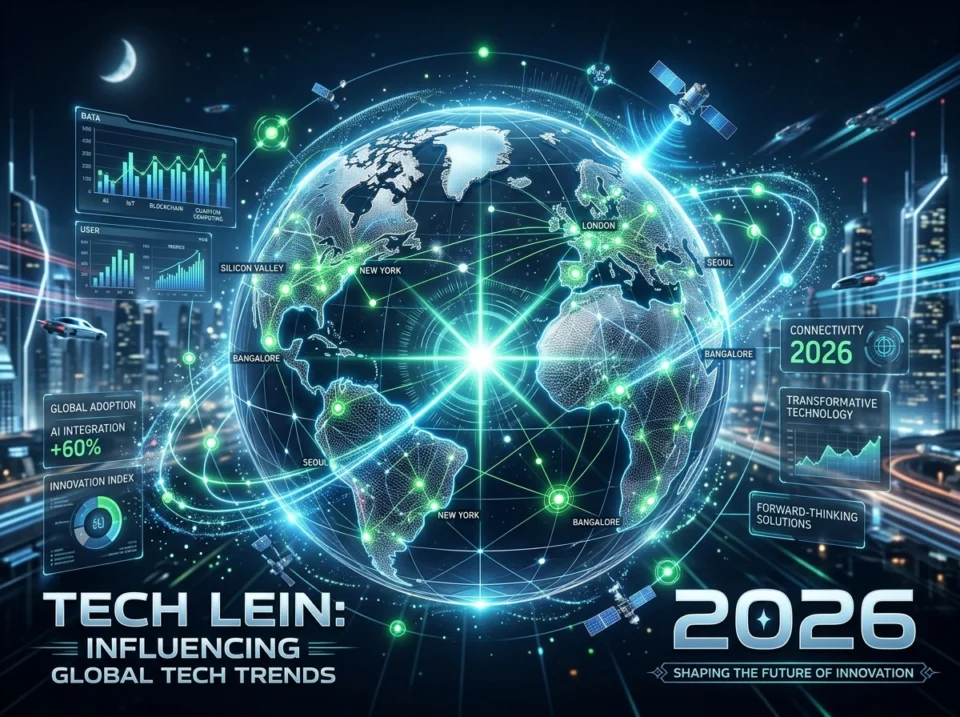
Technology evolves at a relentless pace, reshaping industries and altering how we interact with the digital world. For software engineers, business leaders, and everyday consumers, keeping up with these rapid shifts is a massive challenge. Information overload often obscures the most critical developments, making it difficult to separate fleeting fads from foundational shifts.
Educational platforms and technology content hubs play a vital role in cutting through this noise. By analyzing emerging tools, reviewing hardware, and breaking down complex architectural patterns, these platforms do more than just report the news. They actively guide the developer community and influence enterprise adoption strategies.
Understanding how these hubs operate provides valuable context for the direction of the broader tech industry. This article explores the current landscape of technological innovation and examines how content platforms influence global tech trends by democratizing knowledge and highlighting essential advancements.
The Current Landscape of Global Tech Trends
The technology sector in 2026 is defined by several converging movements. According to recent forecasts from major research firms, artificial intelligence has moved beyond basic automation into an era of AI-native development and agentic systems. Organizations are increasingly relying on multi-agent AI platforms to handle complex, collaborative tasks that previously required human intervention.
Alongside AI, cloud computing architecture continues to mature. Companies are actively evaluating the nuances between AWS, Azure, and Google Cloud to optimize their infrastructure. The rise of edge computing is bringing computation closer to the data source, significantly reducing latency for IoT devices and real-time applications.
Cybersecurity remains a critical priority as attack vectors grow more sophisticated. Modern defense strategies now heavily rely on confidential computing and zero-trust architectures to protect sensitive data. Meanwhile, quantum computing is slowly transitioning from theoretical physics into practical enterprise applications, promising unprecedented problem-solving capabilities.
Establishing Authority in the Market
To navigate these complex domains, professionals rely on trusted sources for guidance. This is where tech lein establishes its market position. Operating as a premier technology content platform, it delivers high-quality articles, insightful analyses, and comprehensive guides.
The platform caters to a diverse audience, ranging from seasoned software engineers to casual consumers. By offering unbiased product reviews and detailed technical tutorials, it builds a high level of trust. This reliable flow of information allows developers to make informed decisions about which frameworks to learn and which cloud services to deploy. As a result, the platform serves as a critical bridge between highly technical innovations and practical, everyday implementations.
Driving Innovation Through Education
Content platforms exert a direct impact on technological innovation by lowering the barrier to entry for complex subjects. When developers have access to clear, well-structured tutorials, the adoption rate of new technologies accelerates.
Democratizing Software Development
The rise of low-code and no-code platforms is a prime example. By publishing comprehensive guides on these tools, educational hubs empower non-technical users to build functional applications. This democratization shifts the landscape of software development, allowing business analysts and marketers to execute ideas without waiting for dedicated engineering resources.
Championing Modern Architecture
Detailed comparisons of API architectures, such as GraphQL versus REST, help engineering teams select the right tools for their specific use cases. Furthermore, deep dives into microservices and serverless computing provide the necessary blueprints for building scalable, resilient applications. When a widely read platform highlights the benefits of a specific architectural pattern, it often sparks a surge in community interest and subsequent enterprise adoption.
Examples of Market Influence
The influence of comprehensive tech journalism is visible across several key sectors.
Consider the push toward sustainable business practices. As environmental concerns mount, tech companies face pressure to reduce their carbon footprints. Platforms that highlight green IT strategies and eco-friendly operations help standardize these practices across the industry. By bringing visibility to sustainable tech, they encourage more organizations to adopt responsible digital infrastructures.
Another clear example is the evolution of web accessibility. Ensuring that web applications meet global accessibility standards is no longer optional. Detailed guides on semantic HTML, ARIA labels, and inclusive design provide developers with the exact techniques needed to build compliant applications. By prioritizing this content, tech hubs ensure that building accessible software becomes a standard developer habit rather than an afterthought.
Finally, the ongoing debate between mobile app frameworks demonstrates the power of comparative analysis. When platforms dissect the performance, cost-efficiency, and user experience of React Native, Flutter, and native development, they directly influence the tech stacks chosen by startups and enterprise mobility teams alike.
Future Predictions Driven by Tech Content
As we look toward the remainder of the decade, the relationship between technology media and industry trends will only strengthen. We can expect content platforms to drive early adoption in several emerging areas.
The integration of Augmented Reality (AR) and Virtual Reality (VR) into everyday digital experiences will require extensive developer education. As hardware improves, comprehensive tutorials will be essential for software engineers looking to build immersive spatial computing applications.
Similarly, the rollout of advanced 5G networks and the continued expansion of the Internet of Things (IoT) will rely on clear best practices for security and data management. Content hubs will be instrumental in teaching developers how to handle the massive influx of data generated by connected devices.
Lastly, as machine learning tools become more accessible, we will see a surge in intelligent, self-optimizing applications. Platforms that provide practical, real-world implementations of natural language processing and predictive analytics will dictate which machine learning frameworks dominate the market.
Navigating the Future of Technology
Staying relevant in the fast-paced technology sector requires continuous learning and a reliable source of information. The trends shaping our digital future—from AI-native platforms to edge computing—demand careful study and practical experimentation. By leveraging educational platforms and staying informed on the latest industry shifts, professionals can confidently adapt to new paradigms. Cultivating a habit of continuous learning is the most effective way to turn emerging technological trends into tangible business advantages.
