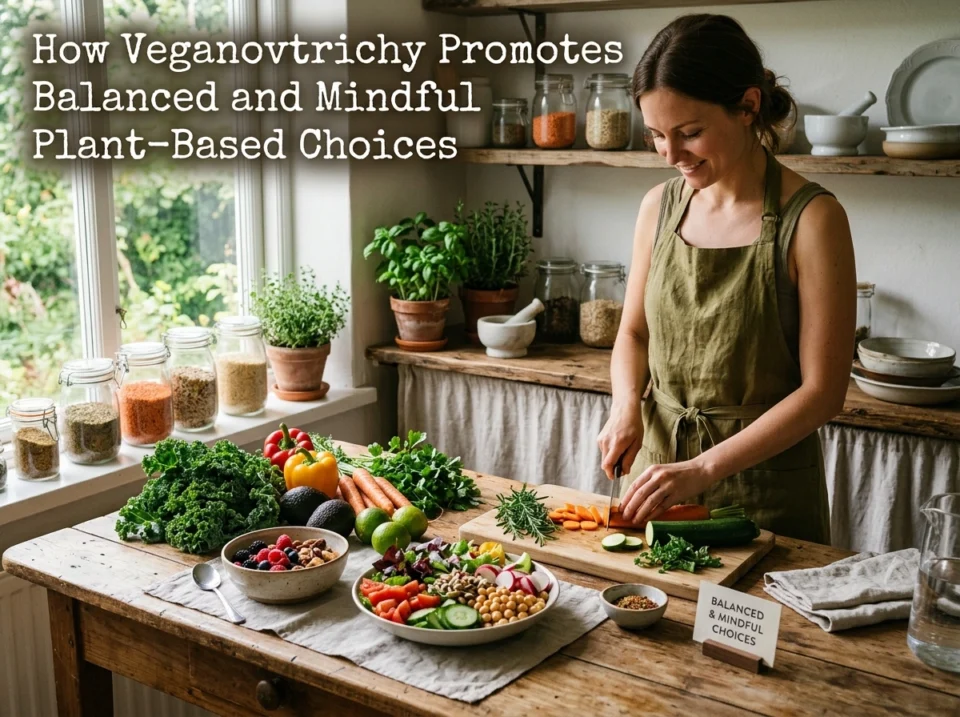
Going plant-based often feels like an all-or-nothing decision. You either commit fully or you feel like you’ve failed. That pressure pushes many people away before they even start. But healthy eating doesn’t work that way, and neither does lasting change.
A better approach focuses on balance, awareness, and small choices you can actually maintain. That’s where mindful plant-based living comes in. Instead of strict rules, it gives you flexible habits that fit your real life. In this article, you’ll learn how thoughtful plant-based eating works, why balance matters more than perfection, and how a community-focused brand like veganovtrichy helps people build habits that stick.
Here’s what you’ll take away:
- Why balance beats extreme diet rules
- How mindful eating changes your relationship with food
- Practical ways to add more plants to your plate
- The everyday benefits of a thoughtful plant-based lifestyle
Why Balanced Nutrition Comes First
A plant-based diet can be incredibly healthy, but only when it’s well planned. Filling your plate with chips and white bread is technically “plant-based,” yet it won’t help you feel your best. Balance is what turns plant foods into real nourishment.
A balanced plant-based plate usually includes four key elements:
- Protein from beans, lentils, tofu, tempeh, or seitan
- Whole grains like brown rice, quinoa, oats, or millet
- Healthy fats from nuts, seeds, avocado, or olive oil
- Colorful produce to supply fiber, vitamins, and antioxidants
When you combine these, you cover most of your nutritional bases naturally. You also stay fuller longer, which reduces the urge to snack on processed foods.
Watch the Nutrients That Need Attention
Some nutrients deserve extra care on a plant-based plan. Vitamin B12, iron, omega-3s, and calcium can run low if you don’t plan for them. The good news? Each one has reliable plant sources or simple supplements. For example, fortified foods cover B12, while leafy greens and seeds boost iron and calcium. A little awareness here prevents big gaps later.
Mindful Eating: Slowing Down to Eat Better
Mindful eating means paying attention to what, why, and how you eat. It sounds simple, but most of us eat on autopilot. We scroll, work, or watch shows while food disappears from the plate. By the time we notice, we’ve eaten more than our body wanted.
Mindfulness flips that habit. You slow down, notice flavors, and listen to your hunger signals. This small shift leads to real benefits:
- You enjoy meals more and feel satisfied sooner.
- You’re less likely to overeat or eat from boredom.
- You build a calmer, guilt-free relationship with food.
How to Practice Mindful Eating Today
You don’t need a course to get started. Try these steps at your next meal:
- Remove distractions. Put your phone away and sit at a table.
- Take a breath before you start. A pause helps you check your hunger.
- Chew slowly and notice texture, taste, and aroma.
- Pause halfway to ask if you’re still hungry.
Do this just once a day at first. Over time, slower eating becomes natural, and so does eating the right amount for you.
Making Plant-Based Choices Practical
The biggest barrier to plant-based eating isn’t motivation. It’s convenience. When healthy options feel hard to find or cook, old habits win. This is exactly where thoughtful guidance and accessible products make a difference. A resource like veganovtrichy helps bridge that gap by making plant-based living feel approachable rather than complicated.
Practical support matters because real change happens in everyday moments: a busy weeknight dinner, a quick lunch, or a snack between meetings. When good choices are easy, you actually make them.
Simple Swaps That Add Up
You don’t have to overhaul your kitchen overnight. Start with small, repeatable swaps:
- Trade dairy milk for oat or soy milk in coffee and cereal.
- Swap one meat-based meal a week for a lentil or chickpea dish.
- Replace sugary snacks with fruit, nuts, or roasted chickpeas.
- Use beans or tofu to bulk up familiar recipes like curries and stir-fries.
Each swap is small on its own. Stacked together over weeks, they reshape your diet without any dramatic effort.
Plan Without Overplanning
A loose plan beats a rigid one. Try keeping three or four go-to meals you genuinely enjoy. Rotate them, and add one new recipe each week. This keeps things interesting while removing the daily “what should I eat?” stress. Batch-cooking grains or beans on the weekend also saves time when life gets busy.
How veganovtrichy Supports Thoughtful Habits
What sets a balanced approach apart is the focus on people, not perfection. Rather than pushing strict rules, the goal is to help you make better choices steadily and confidently. That philosophy shows up in a few important ways.
It meets you where you are. Whether you’re fully vegan or simply eating more plants, the message stays welcoming. There’s no judgment for eating flexibly, which keeps the journey sustainable.
It values local, accessible options. Plant-based living works best when it fits your region, budget, and routine. Practical, locally relevant choices make the lifestyle realistic instead of aspirational.
It pairs nutrition with mindfulness. Good food and good habits go together. By encouraging awareness alongside healthy options, the approach supports both your body and your mindset.
The result is a plant-based path built on encouragement and education, not pressure. That tone matters, because people stick with habits that feel good far longer than ones built on guilt.
The Everyday Benefits of a Plant-Forward Lifestyle
Mindful, balanced plant-based eating pays off in ways you can feel and ways you can’t immediately see.
For your body: A fiber-rich diet supports digestion, steady energy, and heart health. Many people notice better sleep and fewer afternoon slumps once they reduce heavily processed foods.
For your mind: Mindful eating reduces stress around food. You stop labeling meals as “good” or “bad” and start trusting your own hunger and fullness cues.
For the planet: Plant-forward choices generally use fewer resources than meat-heavy diets. Even shifting a few meals a week lowers your environmental footprint, which adds meaning to your habits.
These benefits reinforce each other. When you feel better physically, you’re more motivated to keep going. When eating feels calm instead of stressful, healthy choices become second nature.
Common Mistakes to Avoid
Even with good intentions, a few traps can slow your progress. Watch out for these:
- Going too fast. Sweeping changes rarely last. Build slowly instead.
- Relying on processed “vegan” foods. They’re fine occasionally, but whole foods should lead.
- Ignoring protein. Plan a protein source at each meal to stay satisfied.
- Chasing perfection. One off-plan meal won’t undo your progress, so don’t quit over it.
Avoiding these keeps your momentum steady and your motivation high.
Conclusion: Start Small, Stay Mindful
Balanced, mindful plant-based eating isn’t about strict diets or all-or-nothing rules. It’s about building better habits one realistic choice at a time. When you focus on balanced plates, slow down to enjoy your meals, and make easy swaps, plant-based living becomes something you can actually maintain.
The thoughtful, encouraging approach behind veganovtrichy reflects this idea perfectly: progress matters more than perfection. You don’t need to change everything today. You just need to start.
Here’s your next step. This week, pick one mindful eating habit and one simple food swap, then practice both for seven days. That small commitment is exactly how lasting, plant-based change begins.
